Easter Sunday, the most joyous and significant feast in the Christian calendar, marks the triumphant resurrection of Jesus Christ. It is a day of profound spiritual celebration, and the vestments worn by clergy play a crucial role in conveying the solemnity and splendor of the occasion. Among these sacred garments, the stole holds a special place, symbolizing Christ’s authority and the priestly ministry. For Easter Sunday, selecting the perfect stole is an opportunity to reflect the profound message of new life, hope, and redemption that the feast embodies.
Understanding the Significance of the Stole
The stole is a long, narrow strip of cloth, typically worn around the neck and falling to the knees. Its origins are deeply rooted in ancient Roman attire, where it signified authority and office. In the context of Christian liturgy, the stole has evolved to represent several key aspects of the priesthood:
- Christ’s Authority: It symbolizes the authority Christ gave to his apostles and their successors to preach the Gospel and administer the sacraments.
- The Yoke of Christ: It can be seen as a representation of the “easy yoke” of Christ, signifying the burden of pastoral care undertaken willingly.
- Unity with Christ: The stole signifies the priest’s intimate connection with Christ in his priestly ministry.
- The Robe of Immortality: In some traditions, it is also associated with the robe of immortality, a metaphor for the resurrected life.
On Easter Sunday, the stole’s symbolism is amplified. It speaks not only of the priest’s authority but also of the ultimate victory over death and the promise of eternal life, central themes of the Resurrection.
Color and Symbolism for Easter Sunday
The liturgical colors are an integral part of the Church’s rich tradition, conveying specific spiritual meanings throughout the liturgical year. For Easter Sunday, the primary liturgical color is **white**. White is universally recognized as a symbol of purity, joy, light, innocence, and the glorious Resurrection. It is the color of divinity, of angelic presence, and of new beginnings.
When choosing a stole for Easter Sunday, white is the most traditional and appropriate choice. However, within the spectrum of white, there are nuances and opportunities for beautiful design:
- Pure White: A classic, unadorned white stole speaks volumes through its simplicity, allowing the purity of the feast to shine.
- Ecru or Cream: These variations offer a softer, warmer feel while still adhering to the liturgical use of white.
- Gold: While not a distinct liturgical color in the same way as white or purple, gold can be used as an accent or even as a primary color on very solemn feast days like Easter, signifying majesty and glory. A stole with rich gold embroidery on a white background can be exceptionally striking.
Design Elements: Embroidery and Motifs
The design of an Easter stole often features intricate embroidery that enhances its visual and symbolic impact. When selecting a stole, consider the following design elements:
- The Cross: A prominent symbol of Christ’s sacrifice and resurrection. For Easter, a cross might be depicted in a more ornate or triumphant manner, perhaps with flowing lines or intricate detail.
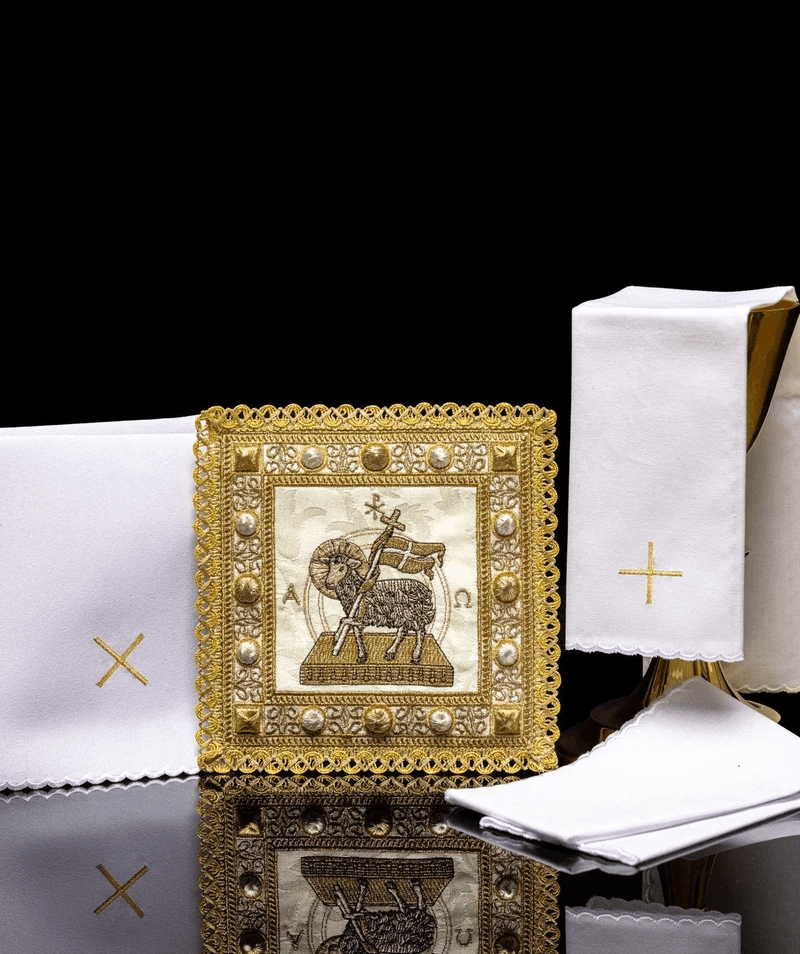
- The Lamb of God (Agnus Dei): A powerful symbol of Christ as the sacrificial Lamb who takes away the sins of the world. Depictions often show the lamb with a banner of victory.
- The Resurrection Motif: Some stoles may feature imagery related to the empty tomb, angels, or the Risen Christ himself.
- Chicks and Dove: Symbols of new life and the Holy Spirit, respectively.
- Floral Motifs: Lilies, roses, or other spring flowers can symbolize new life, purity, and the beauty of God’s creation renewed through the Resurrection.
- Geometric Patterns: Intricate, elegant geometric designs, especially those incorporating gold or silver thread, can add a sense of divine order and beauty.
- Alpha and Omega: Symbols representing Christ as the beginning and the end.
- “IHS” Monogram: A common Christogram, signifying Jesus Christ, Savior.
The quality of embroidery is paramount. Look for stoles with well-executed stitching, whether machine-embroidered for precision or hand-embroidered for a unique artisanal touch. The use of metallic threads (gold or silver) can elevate the stole, adding a regal and celebratory feel appropriate for Easter.
Fabric Choices for Easter Stoles
The fabric chosen for a stole significantly impacts its drape, feel, and overall appearance. For Easter Sunday, fabrics that are light, elegant, and perhaps have a subtle sheen are often preferred:
- Silk or Silk Blends: Offer a luxurious feel and beautiful drape, catching the light exquisitely.
- High-Quality Polyester or Blends: Modern synthetic fabrics can be very durable, hold their shape well, and offer a cost-effective option with excellent aesthetic qualities.
- Brocade or Damask: These woven fabrics often feature integrated patterns, adding texture and visual interest without the need for excessive embroidery. A white or gold brocade can be stunning.
- Linen or Cotton Blends: Offer a more natural feel and are breathable, though they may require more careful handling to maintain crispness.
The weight of the fabric should also be considered. A stole that is too heavy might feel cumbersome, while one that is too light might not hang properly. The best choices offer a balance of elegance and practicality.
Finding the Right Stole
Selecting the perfect stole for Easter Sunday is a thoughtful process. Consider the following:
- Thematic Resonance: Does the design and symbolism of the stole align with the joyous message of the Resurrection?
- Quality Craftsmanship: Examine the embroidery, stitching, and fabric quality. A well-made stole will last for many years.
- Clergy’s Preference: While tradition guides the choice, the comfort and personal preference of the wearer are also important.
- Liturgical Appropriateness: Ensure the stole adheres to the liturgical guidelines of the specific denomination and occasion.
Easter Sunday is a pinnacle of the liturgical year, a celebration of hope and new life. A beautifully chosen stole, rich in symbolism and crafted with care, can enhance the sacredness of the liturgy, reminding all present of the glorious victory of Christ and the promise of eternal joy.